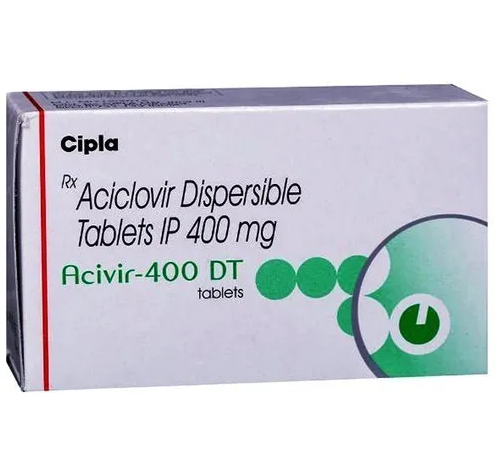
Acyclovir and famciclovir are highly effective antiviral medications used to treat cold sores, shingles, and recurrent herpes by inhibiting viral replication. While acyclovir is a cost-effective, proven standard for mild outbreaks, famciclovir offers superior bioavailability and requires fewer daily doses. Choosing the best antiviral depends on the severity of the infection, treatment timing, and the specific clinical goal of reducing recovery time or preventing long-term complications like postherpetic neuralgia.
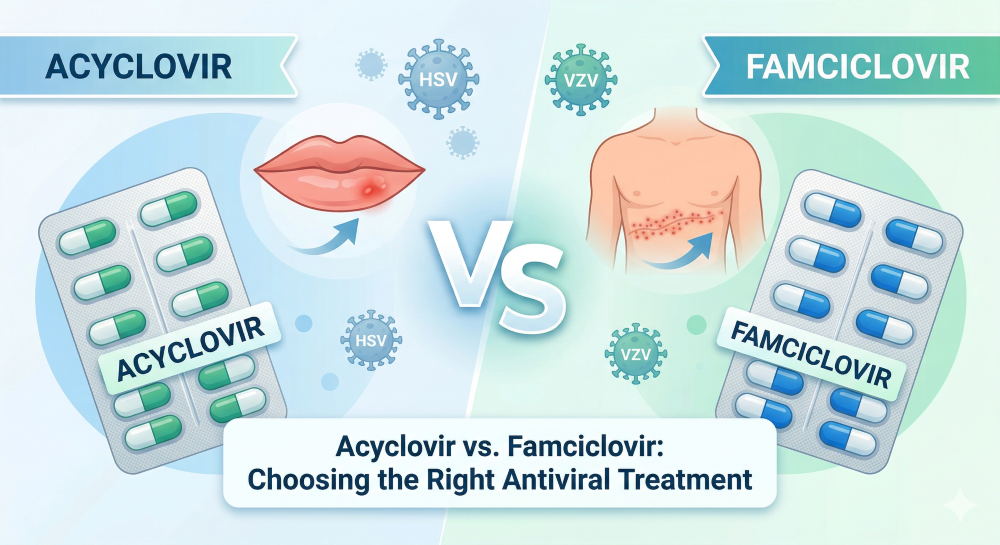
When it comes to treating viral infections like Cold Sores and Shingles, two commonly prescribed antiviral medications are Acyclovir and Famciclovir.
Both medications are highly effective at reducing viral replication, shortening outbreak duration, and minimizing complications. However, they differ in absorption, dosing frequency, convenience, and clinical use cases.
This guide compares acyclovir vs famciclovir in detail so you can understand which antiviral may be better for cold sores or shingles depending on your situation.
⚡ Quick Comparison
| Feature | Acyclovir | Famciclovir |
|---|---|---|
| Drug Type | Antiviral | Antiviral |
| Bioavailability | Lower | Higher |
| Dosing Frequency | 3–5 times/day | 2–3 times/day |
| Best Use Case | Mild/moderate infections | Shingles, severe outbreaks |
| Cost | Lower | Higher |
| Compliance | Moderate | High |
🔬 How Antiviral Medications Work
Mechanism of Action (DNA Polymerase Inhibition)
Both acyclovir and famciclovir work by targeting viral DNA replication. They inhibit viral DNA polymerase, preventing viruses like HSV-1, HSV-2, and varicella-zoster virus from multiplying.
This leads to:
- Reduced viral shedding
- Faster healing of lesions
- Lower risk of transmission
Why Early Treatment Matters (Prodromal Phase)
The prodromal phase—when you feel tingling, itching, or burning—is the best time to start treatment.
Starting antivirals early:
- Shortens outbreak duration
- Reduces symptom severity
- Improves overall recovery
💊 What Is Acyclovir?
Uses for Cold Sores, Herpes, and Chickenpox
Acyclovir is one of the oldest and most widely used antiviral drugs. It is effective for:
- Cold sores (HSV-1)
- Genital herpes (HSV-2)
- Shingles
- Chickenpox
Dosage, Frequency, and Bioavailability
Acyclovir has lower bioavailability, meaning less of the drug is absorbed into the bloodstream. Because of this, it must be taken more frequently—typically 3 to 5 times a day.
Pros and Limitations
Advantages:
- Cost-effective
- Widely available
- Proven long-term safety
Limitations:
- Frequent dosing
- Lower absorption
- Slightly less convenient
💊 What Is Famciclovir?
Uses for Shingles and Recurrent Herpes
Famciclovir is a newer antiviral that converts into penciclovir in the body. It is commonly used for:
- Shingles
- Recurrent herpes infections
- Severe outbreaks
Higher Bioavailability and Absorption
Famciclovir has significantly better bioavailability, allowing:
- Better drug concentration
- Fewer doses per day (usually 2–3)
- Improved patient compliance
Role in Preventing Nerve Pain
One major advantage is its effectiveness in reducing the risk of postherpetic neuralgia (PHN)—a painful complication of shingles.
⚖️ Acyclovir vs Famciclovir: Key Differences
| Criteria | Acyclovir | Famciclovir |
|---|---|---|
| Absorption | Moderate | High |
| Half-life | Short | Longer |
| Dosing | Frequent | Less frequent |
| Effectiveness | Proven | Slightly superior in some cases |
🦠 Acyclovir vs Famciclovir for Cold Sores
For cold sores, both medications are effective when taken early.
Which works better?
Famciclovir may act slightly faster due to better absorption, but acyclovir remains highly effective and more affordable.
👉 Quick Answer:
For most people with mild or occasional cold sores, acyclovir works well. Famciclovir may be preferred for faster relief or frequent outbreaks.
🔥 Acyclovir vs Famciclovir for Shingles
Shingles is more severe and often painful, especially in older adults.
Famciclovir is often preferred because:
- It maintains higher drug levels in the body
- Requires fewer doses
- May reduce nerve pain complications
👉 Quick Answer:
Famciclovir is generally considered more effective for shingles, especially for reducing pain and preventing complications like nerve damage.
⏱️ Recovery Time and Effectiveness
How Quickly Do Symptoms Improve?
- Cold sores: symptoms improve within 2–3 days
- Shingles: healing may take 7–14 days
Both drugs shorten recovery time, but early treatment is key.
Initial vs Recurrent Outbreaks
- Initial infections → may take longer
- Recurrent outbreaks → respond faster
⚠️ Side Effects, Safety, and Interactions
Kidney Function and Renal Clearance
Both drugs are cleared through the kidneys. Patients with kidney disease may need dose adjustments.
Common Side Effects
Acyclovir:
- Nausea
- Headache
- Fatigue
Famciclovir:
- Headache
- Mild gastrointestinal discomfort
Drug Interactions
Caution with:
- NSAIDs
- Kidney-affecting medications
- Certain blood pressure drugs
🧴 Topical vs Oral Antivirals
Topical creams (like acyclovir cream):
- Useful for mild cold sores
- Limited penetration
Oral antivirals:
- More effective
- Necessary for shingles and severe outbreaks
🧭 How to Choose Between Acyclovir and Famciclovir
Choose Acyclovir If:
- You want a cost-effective option
- Your symptoms are mild
- You need long-term suppressive therapy
Choose Famciclovir If:
- You have shingles
- You want fewer daily doses
- You need faster, more convenient treatment
💰 Cost and Availability
Acyclovir is generally cheaper and widely available in generic form.
Famciclovir is more expensive but offers convenience.
If prescribed, both medications are available through licensed pharmacies.
🧪 Evidence-Based Treatment Guidelines
Clinical guidelines emphasize starting antiviral therapy within 72 hours of symptom onset, especially for shingles.
Benefits of early treatment:
- Faster healing
- Reduced complications
- Lower risk of chronic nerve pain
🏁 Final Verdict: Which Antiviral Is Better?
There is no one-size-fits-all answer.
- Acyclovir → best for affordability and proven long-term use
- Famciclovir → better for convenience, shingles, and severe cases
👉 The best choice depends on:
- Severity of infection
- Timing of treatment
- Patient preference
❓ FAQs
Famciclovir works best when taken early and can shorten outbreaks by 1–2 days.
Switching medications should only be done under direct medical supervision. While both target viral replication, their dosing strengths and absorption rates differ significantly.
Famciclovir is generally preferred for shingles due to its higher bioavailability. Maintaining higher drug levels is crucial in reducing nerve-related complications like postherpetic neuralgia.
Yes, acyclovir has a well-documented long-term safety profile. It is commonly prescribed for continuous, daily suppressive therapy to prevent recurring herpes outbreaks.
Antiviral effectiveness decreases significantly if started after the 72-hour window. However, some clinical benefit may still occur if new lesions and blisters are actively forming.
Yes, famciclovir primarily interacts with drugs that affect kidney function and renal clearance. Caution is advised when taking it alongside NSAIDs or certain blood pressure medications.
Due to a shorter half-life, acyclovir typically requires dosing three to five times daily. Famciclovir is more convenient, generally requiring dosing two to three times daily.
It can be highly effective in older populations due to superior absorption rates. However, precise dosing must be carefully adjusted based on the individual’s renal function.
In certain severe cases, healthcare providers may recommend combining topical creams with oral pills. This must be guided medically, as oral medication is the primary driver of systemic suppression.
Yes, FDA-approved generic versions are equally effective and safe. They contain identical active ingredients and meet strict bioequivalence standards.
Famciclovir may achieve therapeutic levels faster due to its higher bioavailability. This rapid, consistent absorption is highly beneficial for treating severe shingles outbreaks.
When utilized as daily suppressive therapy, it can significantly reduce recurrence rates. It helps keep the virus dormant within the nerve ganglia over time.
⚠️ Medical Disclaimer
This content is for informational purposes only and should not replace professional medical advice. Always consult a healthcare provider before starting or changing any medication.