- Bell’s palsy is a temporary condition that causes sudden weakness or paralysis on one side of the face due to inflammation of the facial nerve.
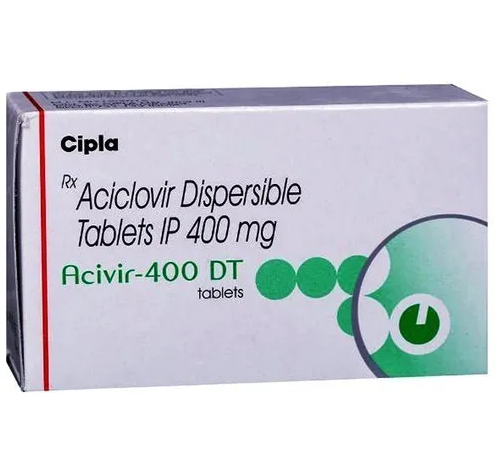
- Acyclovir is an antiviral medication sometimes prescribed for Bell’s palsy because viral infections such as herpes simplex virus (HSV-1) may trigger the condition.
- Research suggests that corticosteroids remain the most effective first-line treatment, while acyclovir may provide additional benefit when combined with steroids in some patients.
- Treatment started within 72 hours of symptom onset is associated with better recovery outcomes.
- Most people recover partially or completely within weeks to months, especially with early medical treatment and proper eye care.
Can Acyclovir Treat Bell’s Palsy?
Bell’s palsy is a sudden condition that causes weakness or paralysis on one side of the face. It can affect facial expressions, blinking, speaking, and even eating. Because the condition often develops rapidly, many people seek immediate treatment options to improve recovery and reduce long-term facial weakness.
One medication that is sometimes prescribed is acyclovir, an antiviral drug commonly used to treat herpes virus infections. Doctors may recommend acyclovir for Bell’s palsy because some research suggests that viral infections—particularly herpes simplex virus type 1 (HSV-1)—may contribute to facial nerve inflammation.
However, an important question remains: can acyclovir actually treat Bell’s palsy effectively?
Current medical evidence shows that corticosteroids are the primary and most effective treatment for Bell’s palsy, while antiviral medications such as acyclovir may offer additional benefits in selected cases when combined with steroids. Understanding how acyclovir works, when it is prescribed, and what studies say about its effectiveness can help patients make informed treatment decisions.
What Is Bell’s Palsy?
Bell’s palsy is a condition that causes temporary facial paralysis or weakness due to inflammation of the facial nerve, also known as cranial nerve VII. This nerve controls facial muscles, blinking, tear production, and some aspects of taste.
The condition usually develops suddenly, often within hours, and typically affects only one side of the face.
Common Symptoms of Bell’s Palsy
Symptoms may vary from mild weakness to complete facial paralysis and can include:
- Sudden drooping on one side of the face
- Difficulty smiling or making facial expressions
- Trouble closing one eye
- Drooling
- Increased sensitivity to sound
- Headache or pain near the jaw or ear
- Loss of taste sensation
- Dry eye or excessive tearing
In many cases, symptoms reach their peak within 48 to 72 hours.
What Causes Bell’s Palsy?
The exact cause of Bell’s palsy is not always known, which is why it is often referred to as idiopathic facial paralysis. However, researchers believe viral infections may play a major role.
Viruses linked to Bell’s palsy include:
- Herpes simplex virus (HSV-1)
- Varicella-zoster virus
- Epstein-Barr virus
- Cytomegalovirus
- Influenza viruses
When these viruses reactivate, they may trigger swelling and inflammation around the facial nerve, leading to compression and impaired nerve function.
Why Is Acyclovir Used for Bell’s Palsy?
Acyclovir is an antiviral medication used to treat infections caused by herpes viruses. Since herpes simplex virus has been associated with Bell’s palsy, doctors sometimes prescribe acyclovir to reduce viral activity and potentially limit nerve damage.
How Acyclovir Works
Acyclovir works by interfering with viral DNA replication. It prevents viruses from multiplying and spreading further within the body.
The medication is commonly used for:
- Cold sores
- Genital herpes
- Shingles
- Chickenpox
- Certain viral nerve infections
In Bell’s palsy, the goal is to reduce viral-related inflammation affecting the facial nerve.
Why Viruses Are Linked to Bell’s Palsy
Researchers believe that dormant herpes viruses may reactivate during periods of stress, illness, or weakened immunity. Once reactivated, the virus can cause inflammation and swelling inside the narrow facial nerve canal.
Because the facial nerve passes through a tight bony pathway, even mild swelling can compress the nerve and interfere with its function. This may result in facial weakness or paralysis.
The suspected viral connection is one reason antiviral medications such as acyclovir or valacyclovir are sometimes included in Bell’s palsy treatment plans.
Does Acyclovir Actually Help Bell’s Palsy?
The effectiveness of acyclovir for Bell’s palsy has been studied extensively, but results have been mixed.
Most medical studies agree that corticosteroids are the most effective treatment for improving recovery. Antiviral medications alone do not appear to provide significant benefit in most patients.
However, some studies suggest that combining antivirals with steroids may slightly improve recovery in severe cases.
What Research Studies Show
Clinical trials have found that:
- Steroids such as prednisone significantly improve recovery rates
- Acyclovir alone is generally less effective than steroids
- Combination therapy may benefit patients with severe facial paralysis
- Early treatment offers the best chance of recovery
For this reason, many healthcare providers prescribe corticosteroids first and may add antivirals as supplemental treatment.
Importance of Early Treatment Within 72 Hours
One of the most important factors in Bell’s palsy treatment is timing.
Treatment started within the first 72 hours after symptoms begin is associated with:
- Better facial nerve recovery
- Reduced inflammation
- Lower risk of permanent weakness
- Faster symptom improvement
Delaying treatment may reduce the effectiveness of both steroids and antivirals.
Can Acyclovir Cure Bell’s Palsy?
Acyclovir is not considered a guaranteed cure for Bell’s palsy.
While it may help reduce viral activity, recovery depends on multiple factors, including:
- Severity of nerve inflammation
- How quickly treatment begins
- Overall health
- Presence of underlying viral infection
Most people improve substantially over time, but outcomes vary between individuals.
Acyclovir vs Valacyclovir for Bell’s Palsy
Both acyclovir and valacyclovir are antiviral medications used to target herpes viruses.
Key Differences
| Feature | Acyclovir | Valacyclovir |
|---|---|---|
| Dosing frequency | Multiple doses daily | Fewer daily doses |
| Absorption | Lower bioavailability | Better absorption |
| Convenience | Moderate | More convenient |
| Cost | Often less expensive | May cost more |
Valacyclovir is converted into acyclovir inside the body but offers improved absorption and simpler dosing schedules.
Which Medication Is Better?
Both medications work similarly, and doctors may choose one based on:
- Severity of symptoms
- Patient convenience
- Medication tolerance
- Cost considerations
- Medical history
There is currently no clear evidence that one dramatically outperforms the other in Bell’s palsy treatment.
Why Steroids Are Often Combined With Acyclovir
Corticosteroids remain the cornerstone of Bell’s palsy treatment because they directly reduce inflammation around the facial nerve.
Role of Corticosteroids in Bell’s Palsy
Steroids such as prednisone or prednisolone help:
- Decrease nerve swelling
- Improve nerve function
- Reduce long-term complications
- Improve recovery rates
They are most effective when started early after symptom onset.
Combination Therapy Benefits and Limitations
Doctors sometimes combine steroids with acyclovir because:
- Viral infections may contribute to Bell’s palsy
- Antivirals may reduce viral replication
- Combined treatment may help severe cases
However, combination therapy does not guarantee faster recovery for every patient.
Recommended Acyclovir Dosage for Bell’s Palsy
The dosage of acyclovir for Bell’s palsy varies depending on the patient’s condition, medical history, and physician recommendations.
Typical Adult Dosage
Doctors may prescribe acyclovir several times daily for approximately 7 to 10 days. Exact dosing should always follow medical guidance.
How Long Is Acyclovir Taken?
Treatment duration often depends on:
- Severity of symptoms
- Response to treatment
- Presence of viral infection
- Combination with steroids
Patients should complete the prescribed course unless instructed otherwise by their healthcare provider.
When Should Treatment Start?
The greatest benefit is usually seen when treatment begins within 72 hours of symptom onset.
Early evaluation is important because Bell’s palsy symptoms can sometimes resemble other serious conditions such as stroke.
Side Effects of Acyclovir
Acyclovir is generally well tolerated, but side effects can occur.
Common Side Effects
Some people may experience:
- Nausea
- Vomiting
- Headache
- Dizziness
- Fatigue
- Diarrhea
Rare but Serious Side Effects
Less commonly, acyclovir may contribute to:
- Kidney problems
- Confusion
- Allergic reactions
- Tremors
Individuals with kidney disease may require dosage adjustments.
Who Should Use Caution?
People who should discuss risks carefully with their doctor include:
- Older adults
- Pregnant individuals
- Patients with kidney disease
- Those taking medications that affect kidney function
Bell’s Palsy Recovery Timeline
Most individuals with Bell’s palsy begin improving within a few weeks.
Signs of Recovery
Recovery signs may include:
- Improved facial movement
- Better blinking ability
- Reduced facial drooping
- Return of taste sensation
When Recovery Takes Longer
Some people may experience prolonged symptoms, especially if:
- Paralysis is severe
- Treatment was delayed
- Nerve damage is extensive
In certain cases, mild facial weakness or muscle tightness may persist.
Facial Exercises and Eye Care
Supportive care can play an important role during recovery.
Doctors may recommend:
- Facial physical therapy
- Gentle facial exercises
- Artificial tears
- Eye patches during sleep
- Protecting the eye from dryness and injury
When Should You See a Doctor?
Anyone experiencing sudden facial weakness should seek medical evaluation promptly.
Bell’s Palsy vs Stroke
Bell’s palsy symptoms may resemble a stroke, but strokes often involve additional symptoms such as:
- Arm weakness
- Difficulty speaking
- Confusion
- Balance problems
Immediate medical attention is necessary to rule out serious neurological conditions.
Symptoms That Need Immediate Attention
Seek urgent care if symptoms include:
- Severe headache
- Double vision
- Limb weakness
- Difficulty swallowing
- Loss of consciousness
Frequently Asked Questions
Acyclovir is not considered a guaranteed cure. It may help reduce viral activity when combined with steroids, especially in severe cases.
Both medications work similarly, though valacyclovir offers more convenient dosing and better absorption.
Many doctors prescribe antivirals together with corticosteroids, particularly for severe Bell’s palsy cases.
Corticosteroids are currently considered the most effective first-line treatment for Bell’s palsy.
Yes. Many people recover fully or partially even without treatment, though early medical care improves recovery chances.
Researchers believe herpes simplex virus may contribute to Bell’s palsy in some individuals, though the exact cause is not always confirmed.
Treatment is generally most effective when started within 72 hours after symptoms appear.
Final Thoughts
Acyclovir may play a supportive role in Bell’s palsy treatment, particularly when doctors suspect viral involvement. However, corticosteroids remain the primary and most evidence-based treatment for improving facial nerve recovery.
For the best outcomes, medical evaluation and treatment should begin as early as possible—ideally within the first 72 hours of symptom onset. Most individuals recover significantly over time, especially with appropriate treatment, supportive care, and eye protection.
If you experience sudden facial weakness or paralysis, consult a healthcare professional promptly to receive an accurate diagnosis and appropriate treatment plan.